Condition information
Understanding your pathway
Clinically reviewed by Dr Chow Chow MBChB FANZCA FFPMANZCA FIPP MScGHP on .
What is headache and migraine?
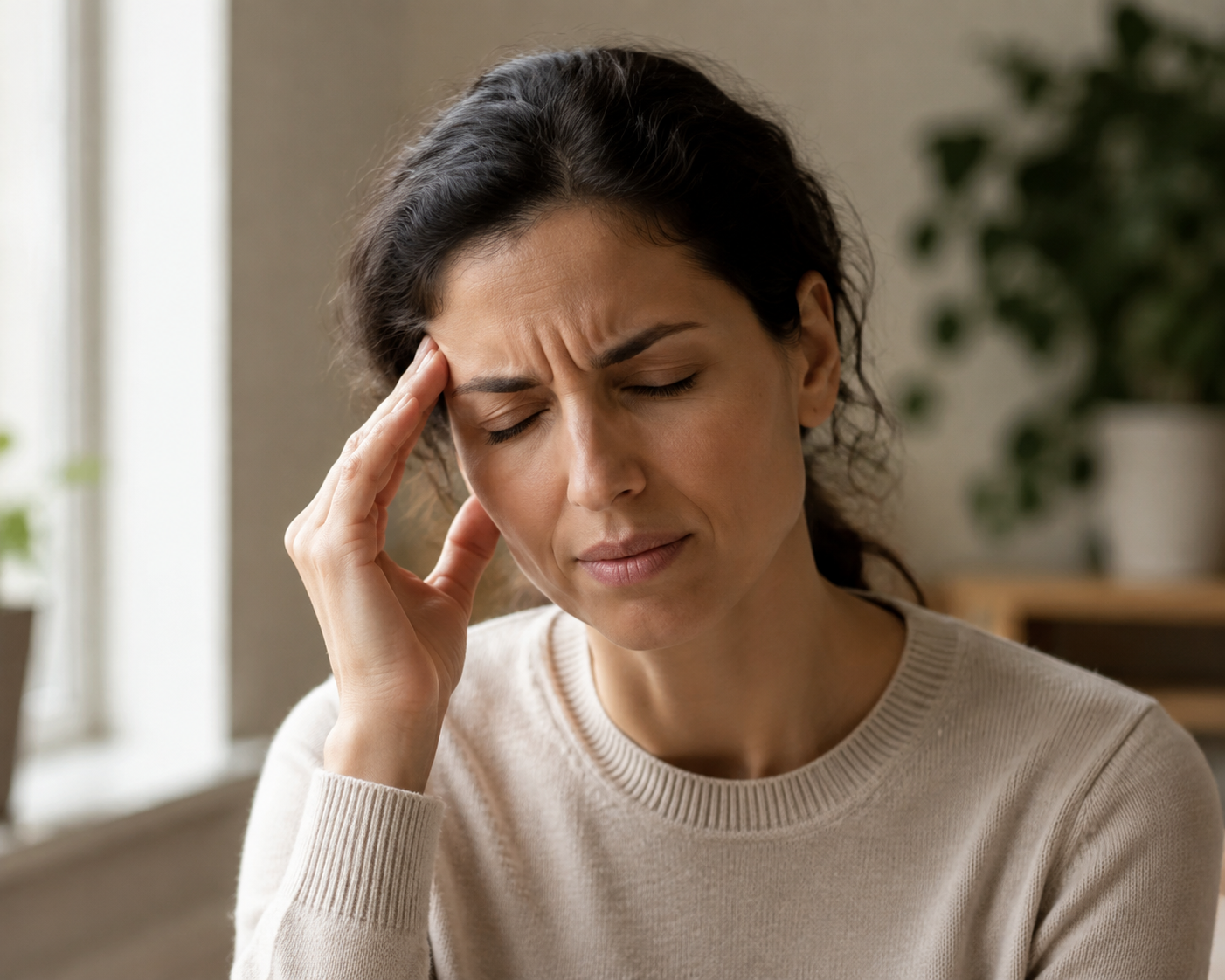
Headache is a symptom with several possible causes. Migraine is a neurological disorder that can cause disabling attacks with head pain and other symptoms. Distinguishing migraine from tension-type headache, neck-related pain and other conditions matters because their assessment and treatment pathways differ. A headache diary can help describe the pattern. [1][2]
What can contribute?
Migraine attacks may be influenced by sleep changes, missed meals, stress or hormonal changes, but triggers differ between people. Migraine is not simply caused by neck tension. Frequent use of acute headache medicines can contribute to medication-overuse headache, which should be considered when headaches become more frequent. [1][3][4]
Common presentations and symptoms
Migraine may involve throbbing head pain, nausea and sensitivity to light or sound. Some people have aura, such as visual or sensory symptoms. New neurological symptoms should not be assumed to be migraine, particularly when they differ from a previously assessed pattern or occur for the first time. [1][3][4]
Assessment and diagnosis
Assessment considers headache frequency, duration, associated symptoms, neurological findings and medication use. A diary can record headache days and effects on work or family life. Imaging is not routine for a typical established primary headache pattern, but may be needed when there are warning signs or diagnostic uncertainty. [1][3][4]
Management options
Treatment may combine an attack-management plan, preventive treatment and practical approaches to sleep and daily routines. Botulinum toxin has a role in selected chronic migraine presentations; it is not a general treatment for every headache. Nerve blocks require a specific rationale and do not replace a diagnostic headache assessment. [1][3][4][5]
When should I seek urgent care?
Call 000 or attend an emergency department for a sudden, extremely severe headache or headache with new weakness, confusion, collapse or speech difficulty. Fever with neck stiffness, a significant head injury or a major change in headache pattern needs urgent assessment. Use emergency care rather than the clinic enquiry form. [1][3][4]
Multidisciplinary care and self-management
Persistent pain can affect more than one part of life. Physiotherapy, psychological support and medical care may be combined according to your needs. Psychological care addresses the effects of pain and ways of coping; it does not imply that pain is imagined. Discuss an activity plan you can sustain rather than alternating between doing too much and stopping completely. [5][2]
Preparing for your consultation
Bring a current medicine list, relevant scan reports and details of treatments you have tried. Describe what each treatment changed, any adverse effects and the activities you most want to regain. You may wish to bring a support person. Ask what the assessment can clarify, what remains uncertain and which decisions can reasonably wait.
Follow-up and questions to ask
Agree how progress will be judged: for example, walking tolerance, sleep, work participation or confidence with a daily task. Ask when to review the plan and what changes should prompt earlier contact. Discuss potential benefits, limitations, costs and alternatives before starting treatment. If a plan is not helping, review its purpose instead of assuming that more of the same treatment is always needed. [6]
Sources and further reading
Sources support the statements cited above. Overseas guidance may describe different services or eligibility rules. A procedure leaflet explains a technique and its risks; it does not establish that the treatment is effective for every condition.
- Migraine — Healthdirect Australia
- Chronic pain — Healthdirect Australia
- Headaches in over 12s: diagnosis and management — NICE
- Botulinum toxin type A for chronic migraine — NICE
- Options for chronic pain management — Healthdirect Australia
- Procedures in pain medicine clinical care standard — Faculty of Pain Medicine, ANZCA