Treatment information
Understanding your pathway
Clinically reviewed by Dr Chow Chow MBChB FANZCA FFPMANZCA FIPP MScGHP on .
What is physical therapy?
Physical therapy, often called physiotherapy, supports movement and physical function through assessment, education and an individual exercise or activity plan. In persistent pain care, the goal may be to improve everyday capacity and confidence rather than remove all pain before movement resumes. The programme should fit your diagnosis, current ability and priorities. [1][2][3]
Who may benefit from an assessment?
People whose pain limits walking, work, sport or daily tasks may find a movement assessment useful. New injuries, postoperative restrictions and neurological symptoms can change what is appropriate. A therapist considers these issues and works with the medical team when further assessment is needed; the same exercise programme is not suitable for everyone. [1][2][3]
Assessment and shared goals
The assessment explores what you can do, what aggravates symptoms and what activities you want to regain. Movement, strength, balance and relevant neurological findings may be reviewed. Bring previous reports and explain any restrictions from surgery or injury. Together you can set goals that are specific enough to evaluate at a later appointment. [1][2][3]
What might a programme involve?
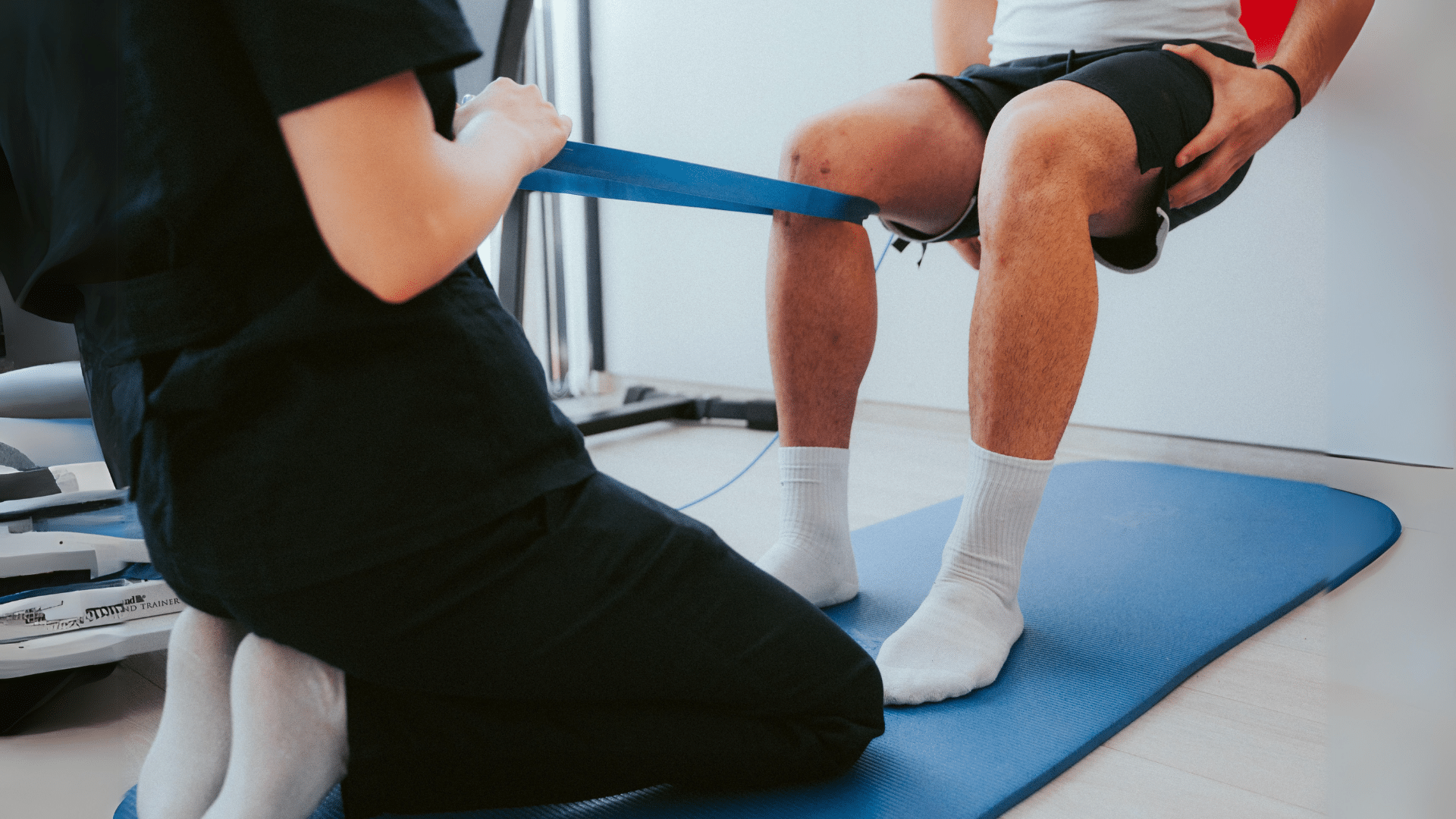
A programme may include strengthening, aerobic activity, movement practice and education about pacing. Exercises can be adapted to your starting capacity and progressed gradually. For osteoarthritis and many persistent musculoskeletal presentations, active rehabilitation is a core option. Passive treatments, if used, should have a clear purpose within a plan that develops self-management. [1][2][3]
Safety, flares and limitations
Temporary soreness can occur when activity changes, but a flare should lead to a discussion about load, recovery and the plan. Do not push through new weakness, severe swelling or a major change in symptoms without advice. The therapist should distinguish an expected response from signs that need medical assessment and explain how to seek help. [1][2][3]
What outcomes should be expected?
Improvement is not guaranteed and progress may be uneven. Useful outcomes include being able to walk further, manage a task or participate more consistently despite some pain. A programme should not be judged only by a scan or one pain score. If progress stalls, revisit the goals, barriers and diagnosis where appropriate. [1][2][3]
Practice between appointments
Discuss a manageable home plan and how to adapt it on more difficult days. Write down what was done and how it affected function or symptoms, without feeling obliged to monitor every sensation. Ask which activities are safe, which restrictions remain and when to progress. Consistent, sustainable practice is more useful than an unrealistic schedule. [1][2][3]
Coordination and follow-up
Physiotherapy may be coordinated with medical care, psychological support, occupational therapy or other relevant services. Agree how the team will share information and when the plan should be reviewed. Medication or a procedure may sometimes support participation, but should not automatically replace rehabilitation. New red flags require prompt medical attention rather than simply adjusting exercises. [1][2][3]
Questions to ask
Ask what the assessment suggests, which goals are realistic and how progress will be measured. Clarify the expected appointment pattern, costs and what you can do independently. Tell the therapist if a plan does not fit your work, caring responsibilities or health needs. Decisions should be collaborative and open to revision. [1][2][3]
Sources and further reading
Sources support the statements cited above. Overseas guidance may describe different services or eligibility rules. A procedure leaflet explains a technique and its risks; it does not establish that the treatment is effective for every condition.
- Options for chronic pain management — Healthdirect Australia
- Chronic pain: assessment and management of chronic primary pain — NICE
- Osteoarthritis in over 16s: recommendations — NICE