Condition information
Understanding your pathway
Clinically reviewed by Dr Chow Chow MBChB FANZCA FFPMANZCA FIPP MScGHP on .
What is foot and ankle pain?
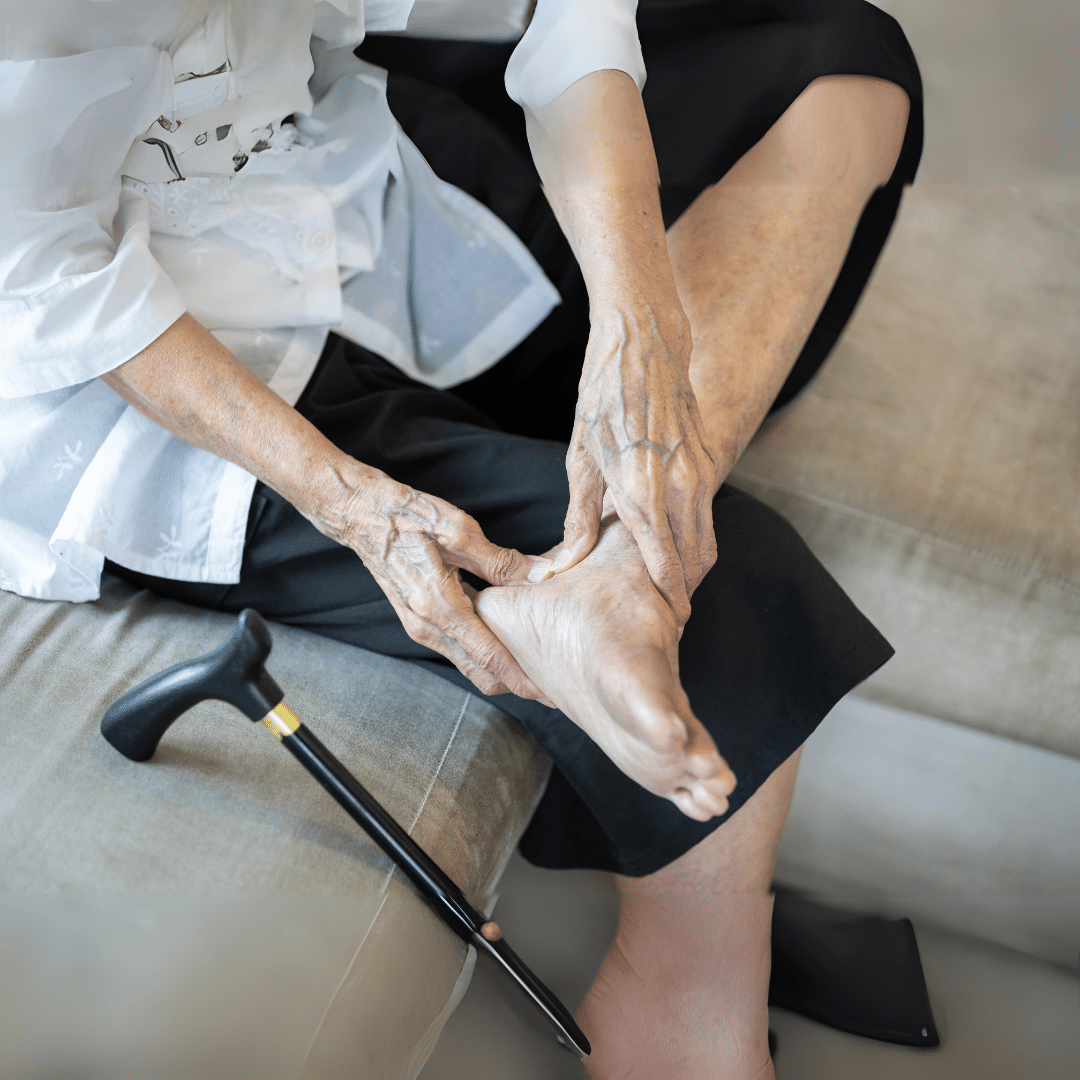
Foot and ankle pain can limit walking, standing and balance. Pain may be centred on a joint, heel, tendon or another part of the foot. The location, onset and effect of weight-bearing help guide assessment. Persistent symptoms should be considered in the context of footwear, activity and general health. [1][2]
What can contribute?
Sprains, fractures, tendon problems, arthritis and soft-tissue irritation can cause pain in this region. Nerve or circulation problems may produce different symptoms and need different care. Diabetes makes foot symptoms particularly important to assess. Do not assume that every painful foot is due to overuse or poor footwear. [1][3][4]
Common presentations and symptoms
Pain, swelling, stiffness and difficulty walking may occur after injury or develop over time. Tingling, loss of sensation, skin changes or a wound add important information. A sudden snap with loss of function or a change in the shape of the foot or ankle requires assessment for significant injury. [1][3][4]
Assessment and diagnosis
Assessment may include the skin, circulation, sensation, joint movement and walking pattern. Imaging is considered for suspected fracture or another defined question. A podiatry, physiotherapy or medical review may be appropriate depending on the findings. A diagnosis should come before a targeted injection or a change to a rehabilitation plan. [1][3][4]
Management options
Treatment may include footwear advice, temporary adjustment of aggravating activity, supported exercises and management of the underlying condition. Medication or a selected injection may be discussed after assessment. An injection does not correct a fracture, restore an injured tendon or replace care for an infected or poorly perfused foot. [1][3][4][5]
When should I seek urgent care?
Seek urgent care for severe injury, deformity, inability to walk, an open wound with infection signs, or a cold or pale foot. New loss of sensation also needs review. If you have diabetes, arrange prompt assessment of a new painful foot, ulcer or colour change rather than waiting for symptoms to settle. [1][3][4]
Multidisciplinary care and self-management
Persistent pain can affect more than one part of life. Physiotherapy, psychological support and medical care may be combined according to your needs. Psychological care addresses the effects of pain and ways of coping; it does not imply that pain is imagined. Discuss an activity plan you can sustain rather than alternating between doing too much and stopping completely. [5][2]
Preparing for your consultation
Bring a current medicine list, relevant scan reports and details of treatments you have tried. Describe what each treatment changed, any adverse effects and the activities you most want to regain. You may wish to bring a support person. Ask what the assessment can clarify, what remains uncertain and which decisions can reasonably wait.
Follow-up and questions to ask
Agree how progress will be judged: for example, walking tolerance, sleep, work participation or confidence with a daily task. Ask when to review the plan and what changes should prompt earlier contact. Discuss potential benefits, limitations, costs and alternatives before starting treatment. If a plan is not helping, review its purpose instead of assuming that more of the same treatment is always needed. [6]
Sources and further reading
Sources support the statements cited above. Overseas guidance may describe different services or eligibility rules. A procedure leaflet explains a technique and its risks; it does not establish that the treatment is effective for every condition.
- Ankle pain — NHS
- Chronic pain — Healthdirect Australia
- Leg pain — Healthdirect Australia
- Local steroid injections to joints and soft tissues — The Dudley Group NHS Foundation Trust
- Options for chronic pain management — Healthdirect Australia
- Procedures in pain medicine clinical care standard — Faculty of Pain Medicine, ANZCA