Treatment information
Understanding your pathway
Clinically reviewed by Dr Chow Chow MBChB FANZCA FFPMANZCA FIPP MScGHP on .
What is the treatment?
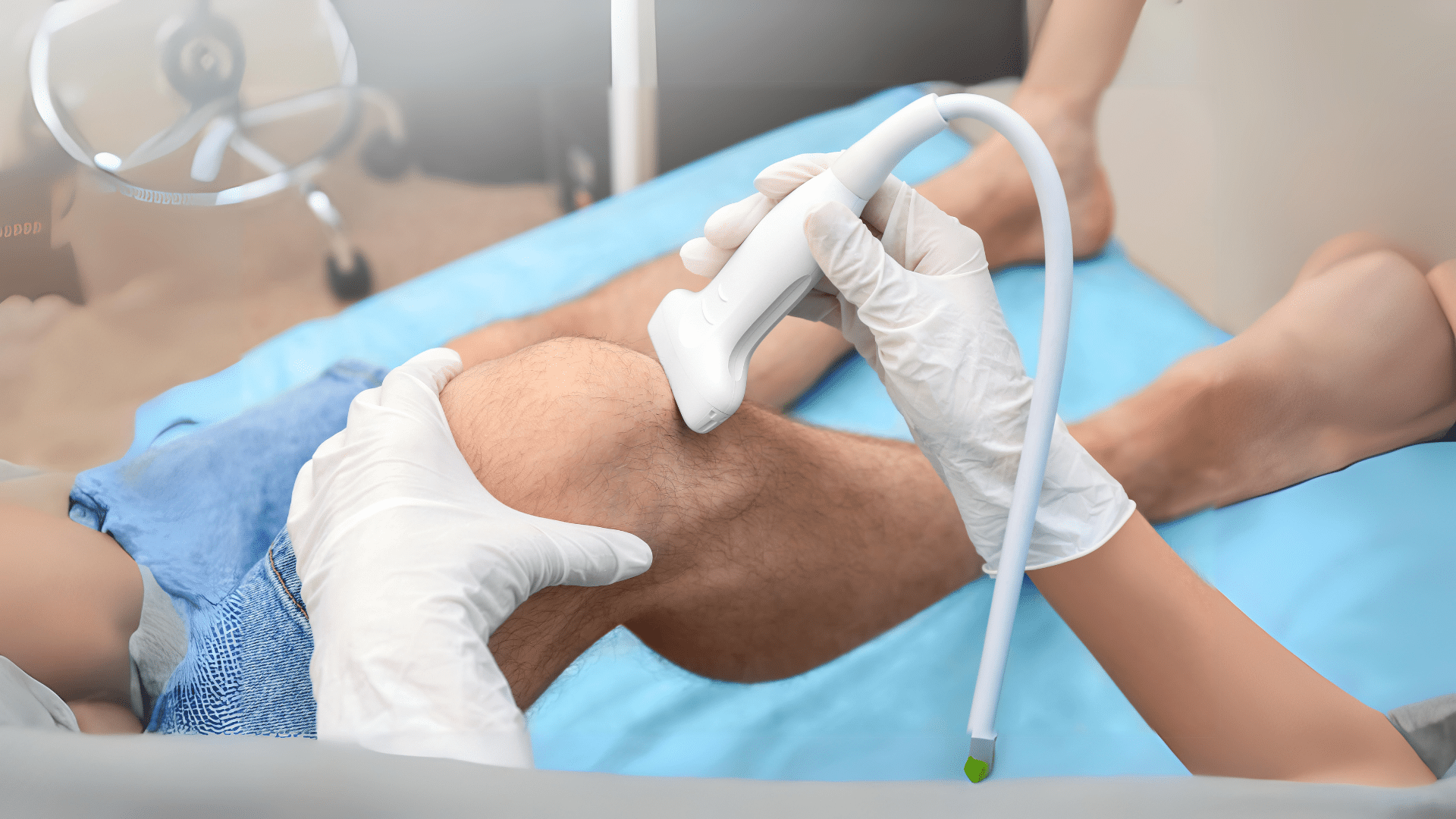
A knee joint injection places medicine inside the joint. It is different from a genicular nerve block outside the joint. Swelling, locking, instability and symptoms after knee replacement may need different assessment before an injection is considered. [1][2][3]
Who may be considered?
An injection may be discussed for a specific joint or soft-tissue condition when initial management has not been sufficient or symptoms make rehabilitation difficult. It is not appropriate for every painful joint. A suspected infection, fracture or other urgent problem requires assessment and treatment directed at that cause. [1][2][3]
Assessment, preparation and consent
Before deciding, discuss your diagnosis, previous treatment, medicines and relevant health conditions. Tell the clinician about allergies, infection, blood-thinning medicines, diabetes and possible pregnancy. Do not stop prescribed medicines yourself. Ask what alternatives are available, including not having a procedure, and allow time to consider the benefits, uncertainty and risks that matter to you. [4]
What happens during treatment?
The clinician confirms the target and discusses whether imaging guidance is useful. Local anaesthetic, corticosteroid or another specifically agreed medicine may be considered. The skin is cleaned and medication delivered to the planned site. Agree a meaningful goal such as walking, rising from a chair or using stairs, rather than judging response only by an immediate pain score. [1][2][3]
Risks and safety considerations
Possible adverse effects include a temporary pain flare, bruising, bleeding, infection and allergy. Steroid may cause local skin thinning or colour change and can raise blood glucose. Repeated injections require a review of cumulative risk. Tell the clinician about blood-thinning medicines, diabetes, skin problems and previous reactions. [1][2][3]
Recovery and when to seek help
Follow the written instructions for transport, supervision, medicines, activity and driving. Recovery depends on the treatment and your health, so a fixed return-to-work date cannot be promised. Ask who to contact outside clinic hours. Seek urgent assessment for fever with worsening pain, new weakness or other unexpected neurological symptoms. Call 000 for breathing difficulty, collapse or another medical emergency. [5][4]
Expected benefit and limitations
An injection does not rebuild cartilage or cure arthritis. For osteoarthritis, a steroid injection may offer short-term relief, while routine hyaluronan injections are not recommended by NICE. Advice for osteoarthritis should not be assumed to apply to every tendon or joint problem. Benefits, alternatives and uncertainty depend on the actual diagnosis. [1][2][3]
Follow-up and rehabilitation
Before treatment, choose a practical goal such as walking, sleep or a daily task. Record changes in that activity, pain and any adverse effects, then discuss them at follow-up. Ask what degree of change would justify further treatment and what would lead to stopping or changing the plan. Rehabilitation and self-management may remain part of care even if symptoms improve. [4][6]
Questions to bring to your appointment
Ask which structure is being targeted, why this approach is being considered and how strong the evidence is for your diagnosis. Clarify costs, the planned review date and any practical help you may need at home. Bring previous reports and your medicine list so the discussion can address your circumstances rather than a generic treatment pathway.
Sources and further reading
Sources support the statements cited above. Overseas guidance may describe different services or eligibility rules. A procedure leaflet explains a technique and its risks; it does not establish that the treatment is effective for every condition.
- Local steroid injections to joints and soft tissues — The Dudley Group NHS Foundation Trust
- Osteoarthritis in over 16s: recommendations — NICE
- Knee pain — Healthdirect Australia
- Procedures in pain medicine clinical care standard — Faculty of Pain Medicine, ANZCA
- Dorsal root ganglion / nerve root block / transforaminal injection — Hull University Teaching Hospitals NHS Trust
- Options for chronic pain management — Healthdirect Australia