Treatment information
Understanding your pathway
Clinically reviewed by Dr Chow Chow MBChB FANZCA FFPMANZCA FIPP MScGHP on .
What is the treatment?
Pulsed radiofrequency delivers intermittent radiofrequency energy near a selected nerve. It differs from conventional thermal ablation and aims to alter pain signalling without making the same heat lesion. That distinction does not make it risk-free or establish that nerve function cannot be affected. [1]
Who may be considered?
A specialist may discuss it for a selected nerve-related pain presentation after considering the diagnosis and previous care. Evidence and likely benefit depend on the specific nerve and condition. Ask what supports its use for your presentation rather than treating all neuropathic pain as one indication. [1]
Assessment, preparation and consent
Before deciding, discuss your diagnosis, previous treatment, medicines and relevant health conditions. Tell the clinician about allergies, infection, blood-thinning medicines, diabetes and possible pregnancy. Do not stop prescribed medicines yourself. Ask what alternatives are available, including not having a procedure, and allow time to consider the benefits, uncertainty and risks that matter to you. [2]
What happens during treatment?
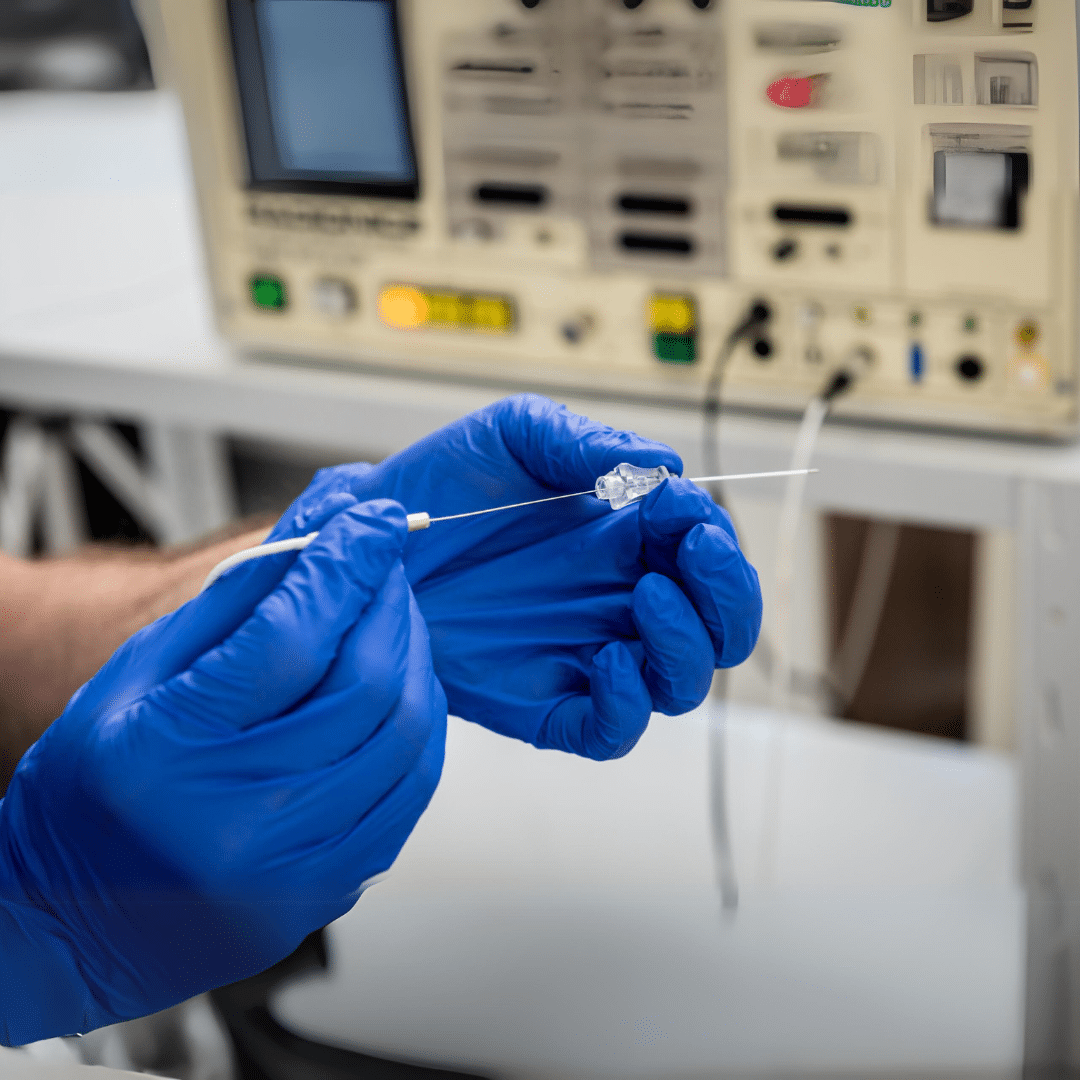
Imaging helps place a specialised needle near the intended target. Stimulation may be used to help assess needle position before energy is delivered. The region, local anaesthetic and monitoring arrangements vary. The procedure should have a defined target and an agreed plan for measuring any useful change. [1]
Risks and safety considerations
Potential harms include bleeding, infection, pain flare, altered sensation and nerve injury. Risks depend on the location and proximity of other structures. Pulsed delivery does not eliminate the risks of needle placement or medication. Discuss the specific precautions and symptoms that should prompt contact after treatment. [1]
Recovery and when to seek help
Follow the written instructions for transport, supervision, medicines, activity and driving. Recovery depends on the treatment and your health, so a fixed return-to-work date cannot be promised. Ask who to contact outside clinic hours. Seek urgent assessment for fever with worsening pain, new weakness or other unexpected neurological symptoms. Call 000 for breathing difficulty, collapse or another medical emergency. [3][2]
Expected benefit and limitations
The response can be absent or temporary, and evidence cannot be assumed to apply across different conditions. It should not be described as guaranteed nerve preservation or a cure. A repeat procedure needs review of actual benefit and alternatives, including rehabilitation or a change in the management approach. [1]
Follow-up and rehabilitation
Before treatment, choose a practical goal such as walking, sleep or a daily task. Record changes in that activity, pain and any adverse effects, then discuss them at follow-up. Ask what degree of change would justify further treatment and what would lead to stopping or changing the plan. Rehabilitation and self-management may remain part of care even if symptoms improve. [2][4]
Questions to bring to your appointment
Ask which structure is being targeted, why this approach is being considered and how strong the evidence is for your diagnosis. Clarify costs, the planned review date and any practical help you may need at home. Bring previous reports and your medicine list so the discussion can address your circumstances rather than a generic treatment pathway.
Sources and further reading
Sources support the statements cited above. Overseas guidance may describe different services or eligibility rules. A procedure leaflet explains a technique and its risks; it does not establish that the treatment is effective for every condition.
- Pulsed radiofrequency — The Dudley Group NHS Foundation Trust
- Procedures in pain medicine clinical care standard — Faculty of Pain Medicine, ANZCA
- Dorsal root ganglion / nerve root block / transforaminal injection — Hull University Teaching Hospitals NHS Trust
- Options for chronic pain management — Healthdirect Australia